
日本語の「服装」は、英語では一つの単語だけで表せるとは限りません。
英語では、服そのものを指すのか、全体のコーディネートを指すのか、フォーマルな服装を指すのかによって、使う単語が変わります。
「服装」を表す代表的な英語表現は、次のとおりです。
- clothes
- clothing
- outfit
- attire
- dress
- dress code
- apparel
- costume
- appearance
それぞれ意味や使われる場面が異なるため、違いを理解して使い分けることが大切です。
clothes:日常的な「服」
clothesの意味
clothesは、シャツ、ズボン、スカート、ジャケットなど、身につける服をまとめて表す最も一般的な単語です。
日本語では、主に「服」「衣服」と訳されます。
日常会話で服について話すときは、clothesを使うことが多いです。
- I bought some new clothes.
新しい服を買いました。 - Your clothes look nice today.
今日の服、素敵ですね。 - What clothes should I bring?
どんな服を持っていけばいいですか?
clothesは複数扱いになる
clothesは、基本的に複数名詞として扱われます。
そのため、動詞も複数形に合わせます。
- My clothes are wet.
私の服はぬれています。 - These clothes look expensive.
これらの服は高そうに見えます。
次のような言い方は通常しません。
- a clothes
- one clothes
- two clothes
「服を1着」と言いたい場合は、次のように表します。
- an item of clothing
- a piece of clothing
- a garment
例えば、次のように使います。
- This jacket is my favorite item of clothing.
このジャケットは、私のお気に入りの服です。
clothesの発音
clothesの発音は、アメリカ英語では主に /kloʊðz/ です。
日本語では「クロウズ」や「クローズ」に近く聞こえます。
中央には、thisやthatのthと同じ有声音の /ð/ が入ります。
ただし、実際の会話ではこの音が弱くなり、「クローズ」に近く聞こえることもあります。
clothesとclothは意味が違う
clothesと似た単語に cloth がありますが、意味は異なります。
- cloth:布、生地
- clothes:服、衣服
例文で比較すると、違いが分かりやすくなります。
- I bought some cloth.
布を買いました。 - I bought some clothes.
服を買いました。
clothing:衣類全般
clothingの意味
clothingは、服や衣類を集合的に表す単語です。
clothesよりも少し抽象的で、商品カテゴリー、説明文、規則、安全案内などでよく使われます。
- Please wear warm clothing.
暖かい服装をしてください。 - Protective clothing is required.
防護服の着用が必要です。 - This store sells outdoor clothing.
この店はアウトドア用の衣類を販売しています。
clothingは数えられない名詞
clothingは不可算名詞なので、通常は次のような形では使いません。
- a clothing
- two clothings
- many clothings
個別の服を数えたい場合は、次のように表します。
- an item of clothing
- two items of clothing
- several pieces of clothing
例文は次のとおりです。
- Please bring two items of clothing.
衣類を2点持ってきてください。
clothesとclothingの違い
clothesは、日常会話で具体的な服を表すときによく使います。
一方、clothingは、服をカテゴリーや種類として表すときによく使います。
- Put your clothes on.
服を着なさい。 - Wear protective clothing.
防護服を着用してください。
日常会話では、Put your clothing on.よりも、Put your clothes on.のほうが自然です。
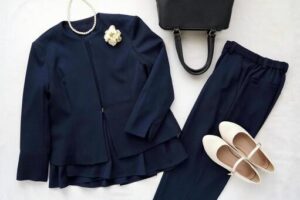
outfit:その日の服装やコーディネート
outfitの意味
outfitは、ある日に身につける衣服の組み合わせ全体を表します。
日本語の「服装」「コーデ」「コーディネート」に近い単語です。
文脈によっては、服だけでなく靴やアクセサリーまで含めて使われることもあります。
- I like your outfit.
あなたの服装、素敵ですね。 - That outfit looks great on you.
その服装はあなたによく似合っています。 - What outfit are you going to wear to the party?
パーティーにはどんな服装で行くのですか? - I need a new outfit for the wedding.
結婚式用に新しい服装一式が必要です。
outfitは数えられる
outfitは可算名詞なので、次のように使えます。
- an outfit
- two outfits
- several outfits
例文は次のとおりです。
- I prepared three outfits for the trip.
旅行用に3種類のコーディネートを用意しました。
よく使われるoutfitの表現
- a casual outfit
カジュアルな服装 - a formal outfit
フォーマルな服装 - a summer outfit
夏のコーデ - a work outfit
仕事用の服装 - an office outfit
オフィス向けの服装
OOTDの意味
SNSやファッションの投稿では、OOTDという表現もよく使われます。
OOTDは、次の言葉の略です。
- Outfit of the Day
今日のコーデ
例文は次のとおりです。
- Here’s my OOTD.
今日のコーデはこちらです。 - I posted my OOTD on Instagram.
Instagramに今日のコーデを投稿しました。
attire:ややフォーマルな「服装」
attireの意味
attireは、「服装」「装い」を表すややフォーマルな単語です。
イベントの案内、服装規定、ビジネス文書などでよく使われます。
- Formal attire is required.
正装が必要です。 - Business attire is recommended.
ビジネスに適した服装が推奨されています。 - Guests should wear appropriate attire.
来場者は適切な服装をしてください。
よく使われるattireの表現
- formal attire
正装、フォーマルな服装 - business attire
ビジネス向けの服装 - casual attire
カジュアルな服装 - appropriate attire
適切な服装 - traditional attire
伝統的な服装 - wedding attire
結婚式向けの服装
attire自体はやや改まった響きがありますが、casual attireのように、カジュアルな服装を表すこともできます。
イベント案内での使い方
イベントの案内で「服装:スマートカジュアル」と書く場合は、次のように表現できます。
- Attire: Smart casual
- Dress code: Smart casual
どちらも自然ですが、dress codeのほうが「服装規定」という意味を明確に伝えられます。
dress:服装、服の着方、ワンピース
a dressはワンピースやドレス
a dressと可算名詞として使う場合は、通常、女性用のワンピースやドレスを表します。
- She is wearing a red dress.
彼女は赤いワンピースを着ています。 - I bought a new summer dress.
新しい夏用のワンピースを買いました。
dressは服装全般も表せる
dressは、より抽象的に「服装」「服の着方」「服装のスタイル」を表すこともあります。
特に、決まった表現の中でよく使われます。
- casual dress
カジュアルな服装 - formal dress
正装 - traditional dress
伝統的な服装 - style of dress
服装のスタイル - manner of dress
服装、身なり
例文は次のとおりです。
- The company allows casual dress on Fridays.
その会社では金曜日にカジュアルな服装が認められています。 - His style of dress is very distinctive.
彼の服装スタイルはとても個性的です。
dressは動詞としても使われる
dressは、「服を着る」「服装をする」という動詞としてもよく使われます。
- dress casually
カジュアルな服装をする - dress formally
フォーマルな服装をする - dress appropriately
適切な服装をする - dress warmly
暖かい服装をする
例文は次のとおりです。
- Please dress appropriately.
適切な服装をしてください。 - You don’t need to dress formally.
フォーマルな服装をする必要はありません。 - Make sure to dress warmly.
暖かい服装をするようにしてください。
dress code:服装規定
dress codeの意味
dress codeは、会社、学校、レストラン、結婚式、イベントなどで求められる服装のルールを表します。
- What is the dress code?
服装規定は何ですか? - Is there a dress code for the restaurant?
そのレストランに服装規定はありますか? - The dress code is business casual.
服装規定はビジネスカジュアルです。 - Please follow the dress code.
服装規定に従ってください。
What should I wear?との違い
「どんな服装で行けばいいですか?」と聞きたい場合は、次の表現が使えます。
- What should I wear?
- What’s the dress code?
- What kind of outfit should I wear?
ただし、ニュアンスは少し異なります。
What should I wear?は、「私は何を着ていけばよいですか」と具体的な服装を尋ねる表現です。
一方、What’s the dress code?は、会場や主催者が定めている服装のルールを尋ねる表現です。
高級レストランや結婚式などでは、What’s the dress code?が自然です。
apparel:衣料品やアパレル商品
apparelの意味
apparelは、「衣料品」「衣服」を意味する単語です。
日常会話よりも、ビジネス、販売、マーケティング、ECサイト、ファッション業界などでよく使われます。
- sports apparel
スポーツ衣料 - outdoor apparel
アウトドア衣料 - women’s apparel
婦人服 - men’s apparel
紳士服 - apparel industry
アパレル業界 - apparel brand
アパレルブランド
例文は次のとおりです。
- The company sells sports apparel online.
その会社はスポーツ衣料をオンラインで販売しています。 - She works in the apparel industry.
彼女はアパレル業界で働いています。
日常会話ではoutfitやclothesが自然
apparelは、個人の服装を褒めるときには通常使いません。
次の表現は不自然です。
- I like your apparel.
服装を褒めたい場合は、次のように表現します。
- I like your outfit.
- I like your clothes.
costume:衣装や仮装
costumeの意味
costumeは、演劇、映画、ハロウィーン、仮装パーティーなどで着る「衣装」「仮装」を表します。
- a Halloween costume
ハロウィーンの仮装 - a stage costume
舞台衣装 - a superhero costume
スーパーヒーローの衣装 - a theatrical costume
演劇用の衣装
例文は次のとおりです。
- She wore a witch costume for Halloween.
彼女はハロウィーンに魔女の仮装をしました。
traditional costumeには注意が必要
traditional costumeは、「伝統衣装」という意味で使われることがあります。
ただし、実在する民族や文化の伝統的な服装についてcostumeを使うと、文脈によっては「仮装」や「舞台衣装」のように聞こえる可能性があります。
より中立的で自然な表現として、次の言葉が使えます。
- traditional clothing
- traditional attire
- traditional dress
- national dress
例えば、着物について説明する場合は、次のように表現できます。
- traditional Japanese clothing
- traditional Japanese attire
- a kimono
appearance:外見や身なり
appearanceの意味
appearanceは、服装だけではなく、髪型、清潔感、化粧、表情などを含めた外見全体を表します。
- You should pay attention to your appearance.
身だしなみに気を配るべきです。 - His appearance is very professional.
彼の身なりはとてもプロフェッショナルです。
この場合、服装だけでなく、髪型や清潔感なども含めた印象を表しています。
groomingとの違い
groomingは、髪、ひげ、爪、清潔感など、身だしなみを整えることを表します。
会社の規則やガイドラインでは、次のような表現が使われます。
- dress and grooming standards
服装と身だしなみの基準 - appearance and grooming policy
外見と身だしなみに関する規定 - personal appearance policy
身だしなみに関する方針
場面別に見る「服装」の英語表現
服や衣服そのもの
- clothes
例:
- I need to buy some new clothes.
新しい服を買う必要があります。
衣類全般や商品カテゴリー
- clothing
例:
- This shop sells children’s clothing.
この店は子ども服を販売しています。
その日のコーディネート
- outfit
例:
- I like your outfit today.
今日の服装、素敵ですね。
フォーマルな案内での服装
- attire
例:
- Formal attire is required.
フォーマルな服装が必要です。
服装のルール
- dress code
例:
- What’s the dress code?
服装規定は何ですか?
アパレル商品や衣料品
- apparel
例:
- The brand specializes in outdoor apparel.
そのブランドはアウトドア衣料を専門としています。
仮装や舞台衣装
- costume
例:
- He wore a pirate costume.
彼は海賊の衣装を着ました。
外見や身なり全体
- appearance
例:
- A professional appearance is important.
プロフェッショナルな身なりは重要です。
「服装」を使った自然な英語表現
「その服装、似合っています」
- That outfit looks good on you.
- You look great in that outfit.
「服や色が人に似合う」と言う場合は、次の形を使います。
- Something looks good on someone.
例:
- That jacket looks good on you.
そのジャケットはあなたによく似合っています。
人を主語にする場合は、次の形が自然です。
- Someone looks good in something.
例:
- You look good in that jacket.
そのジャケットを着ると素敵に見えます。
「今日の服装はカジュアルです」
- I’m dressed casually today.
- I’m wearing casual clothes today.
- I’m wearing a casual outfit today.
- I went for a casual look today.
My clothes are casual today.でも意味は伝わりますが、上記の表現のほうが自然です。
「どんな服装で行けばいいですか?」
- What should I wear?
- What’s the dress code?
- What kind of outfit should I wear?
最も簡単で日常的なのは、What should I wear?です。
「動きやすい服装で来てください」
- Please wear clothes that are easy to move in.
- Please wear comfortable clothes that you can move around in.
- Please wear clothing that allows you to move freely.
単にcomfortable clothesと言うと、「着心地のよい服」という意味が中心になります。
運動や作業を前提とする場合は、allows you to move freelyなどを使うと意味が明確になります。
「暖かい服装で来てください」
- Please wear warm clothes.
- Please dress warmly.
- Please bring warm clothing.
いずれも自然な表現です。
「適切な服装をしてください」
- Please wear appropriate attire.
- Please dress appropriately.
- Please dress appropriately for the occasion.
「その場にふさわしい服装をしてください」と伝える場合は、for the occasionを加えると分かりやすくなります。
「仕事にふさわしい服装」
- professional attire
- business attire
- work-appropriate clothing
- appropriate business attire
例文は次のとおりです。
- Employees are expected to wear professional attire.
従業員にはプロフェッショナルな服装が求められます。
「服装は自由です」
- There is no dress code.
- There is no specific dress code.
- You can wear whatever you like.
- Casual attire is fine.
- Please wear whatever you are comfortable in.
それぞれニュアンスが少し異なります。
There is no dress code.は「服装規定はありません」という意味です。
You can wear whatever you like.は「好きな服を着て構いません」という、より自由度の高い表現です。
Casual attire is fine.は「カジュアルな服装で問題ありません」という意味です。
clothesとoutfitの違い
clothesは服そのもの
clothesは、服を集合的に表す言葉です。
- I need to wash my clothes.
服を洗わなければなりません。 - There are clothes all over the floor.
床のあちこちに服があります。
outfitは服の組み合わせ
outfitは、特定の日や場面で着る服の組み合わせを表します。
- I need to choose an outfit for tomorrow.
明日の服装を選ぶ必要があります。 - I bought a new outfit for the party.
パーティー用に新しいコーディネートを買いました。
比較すると、違いが分かりやすくなります。
- I bought some new clothes.
新しい服を何着か買いました。 - I bought a new outfit.
新しいコーディネート一式を買いました。
clothingとclothesの違い
clothesは日常会話で使いやすい
clothesは、具体的な服や、自分が着ている服について話すときに自然です。
- My clothes are wet.
私の服はぬれています。 - I need new clothes.
新しい服が必要です。
clothingは一般的で抽象的
clothingは、衣類というカテゴリーや種類を表すときに適しています。
- protective clothing
防護服 - outdoor clothing
アウトドア用衣類 - winter clothing
冬用衣類
まとめ
日本語の「服装」を英語にするときは、場面に応じて単語を使い分ける必要があります。
日常会話で服そのものを表す場合は、clothesが最も一般的です。
衣類全般や商品カテゴリーを表す場合は、clothingを使います。
その日のコーディネートや服装一式を表す場合は、outfitが自然です。
フォーマルな案内や服装規定に関連する文章では、attireがよく使われます。
服装のルールを表したい場合は、dress codeを使います。
基本的には、次の4つを覚えておくと、多くの場面に対応できます。
- clothes:服
- clothing:衣類全般
- outfit:コーディネート、服装一式
- attire:ややフォーマルな服装
- dress code:服装規定
以上、服装は英語でなんというのかについてでした。
最後までお読みいただき、ありがとうございました。